

Beyond the Logo: The Rise of Experiential Branding in 2025
by Akshayaa Rani M, 11 February 2025Updated 19 August 2025
In a world where brands compete for milliseconds of attention, where algorithms dictate visibility, and where the digital landscape shifts with mercurial unpredictability, branding has transcended the realm of mere aesthetics. A sleek logo, a refined colour palette, and a clever tagline are no longer enough. In 2025, branding has evolved into an immersive, sensory-driven affair—one that is felt as much as it is seen.
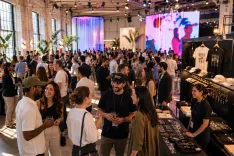
(Photo Credits: AdAge)
Branding as an Experience, Not a Concept
Walk into a thoughtfully designed boutique in East London, and you’ll notice it immediately: the scent of freshly ground coffee laced with the faintest whisper of cedarwood, the low hum of a curated playlist that feels effortlessly cool yet deeply intentional, the way the textures of reclaimed wood and velvet seating invite you to stay just a little longer.
This is branding in its most evolved form—an ecosystem rather than an identity. It’s the understanding that a brand is no longer simply a product or a service but a world unto itself, where customers don’t just buy; they belong. As noted by Startup Journal and Hypegig, brand management tools are increasingly viewed not just as operational aids, but as quiet architects of these immersive, emotional experiences.
The Death of the Generic Brand Experience
We live in an era of hyper-personalisation, where consumers expect more than transactions—they crave stories, emotions, and a sense of purpose. According to recent studies, 73% of consumers say they are more likely to purchase from brands that offer personalised experiences, while 81% are willing to pay a premium for immersive brand interactions.
In response, businesses are shifting away from sterile, one-size-fits-all branding to something more intimate, more tangible. Think of Aesop, whose stores feel more like meticulously curated art galleries than mere retail spaces. Or Glossier, which transformed its pop-ups into playgrounds of pastel-hued nostalgia, where customers queue not just to buy but to feel part of something ephemeral yet significant.
The Five Senses of Brand Identity
If 2025 has proven anything, it’s that branding is no longer a visual discipline—it’s a multi-sensory language.
- Sight: The dominance of AI-driven visuals and digital branding -including the growing use of intelligent logo generator tools- has led to a resurgence in tactile, analogue aesthetics. Think letterpress printing, hand-drawn typography, and spaces designed with biophilic elements that soothe and centre.
- Sound: From fashion labels curating their own Spotify soundtracks to luxury hotels designing bespoke soundscapes that evolve throughout the day, audio branding is no longer an afterthought—it’s an identity.
- Touch: In a time where everything is digitised, brands are focusing on materiality. Packaging is no longer just about aesthetics—it’s about textures that delight the fingertips, whether that’s uncoated recycled paper or velvety matte finishes.
- Smell: Scent branding has moved beyond high-end boutiques and into mainstream retail. A signature fragrance—subtle, memorable, and transportive—has become a defining brand marker.
- Taste: From fashion houses launching coffee roasters to tech brands opening cocktail bars, taste has emerged as an unexpected but powerful medium of branding. Consider the rise of branded cafés—Prada in Milan, Ralph Lauren in Paris—where even a cup of espresso is imbued with brand philosophy.
Get access to the event industry's inside scoop
Digital Meets Physical: The Phygital Revolution
As digital and physical experiences blend seamlessly, a new phenomenon has taken hold: phygital branding. In 2025, customers might enter a concept store where AR overlays transform a minimalist space into a lush, verdant rainforest or where NFTs unlock exclusive, real-world brand privileges.
Take Burberry’s latest London flagship, which integrates digital experiences into the very fabric of its architecture—mirrored walls that respond to movement, interactive installations that tell the brand’s history, and a loyalty programme where blockchain technology personalises the shopping journey.
Meanwhile, Nike has taken the concept further with its members-only Nike by You experiences, where customers can customise their sneakers in immersive studios that blur the lines between art, retail, and performance.
Generating a business name that embodies the phygital evolution is key to standing out in a hybrid marketplace. It should blend digital and physical elements, appealing to tech-savvy consumers while reinforcing brand identity.
Brand Rituals: The New Customer Loyalty
Forget generic loyalty programmes. In 2025, brands are building loyalty not through discounts, but through rituals. Consider the quiet cult of Apple’s unboxing experience—a moment so revered it has spawned entire YouTube genres. Or Soho House’s invitation-only approach, which turns mere membership into a badge of belonging.
It’s no longer about points or perks. It’s about the small, intentional details that make customers feel part of something rare, something sacred.
What This Means for the Future of Branding
As we move forward, the brands that endure will be those that offer not just a product, but a presence. Those that don’t just sell but transport. Those that move beyond the transactional and into the transformative.
The question is no longer what does your brand look like? It’s what does it feel like to step inside your world?


Related articles
Every corporate event planner eventually faces the same fork in the road. You need a venue in a city you don't know

The biggest moves at major conferences aren't happening in the keynote hall anymore. They're happening in rooftop bars,

Planning a corporate offsite can transform the way your team works together. When designed thoughtfully, an offsite

In an era defined by virtual fatigue and sensory overload, a quiet shift is redefining professional networking:

Here’s an interesting fact: U.S. consumers worldwide prefer promo products over all other forms of advertising. In

Let's face facts: the standard corporate networking event is a social failure. It's awkward and can even be intimidating

In today's professional landscape, event safety extends far beyond fire exits, first aid stations and crowd management.

Here's a scenario most event planners know all too well: scroll through LinkedIn and it's easy to believe an event is
Have you heard about the Hook Formula? Not to be confused with Nir Eyal’s Hook Model or the popular ‘Hook Story-Offer’

We're heading into the final stretch of 2025, and one thing remains true: growth comes from relationships. And the best

When it comes to planning a conference, the venue is probably one of the biggest decisions a planner has to make. Not

AI has made it possible to turn almost any idea into an image. A figure in medieval armour, a dragon in neon-pink
Get access to the event industry's inside scoop