

Milan's Studio Market Runs on Two Fashion Weeks a Year
by Ann Chan, 31 July 2026Updated 03 August 2026
Milan is Europe's second fashion capital, and the studio data reads like Paris. Fashion shows and fashion shoots together take half of all bookings, with photo shoots most of the rest, and the calendar bends around the fashion weeks. The rooms are among the priciest we track, design-led lofts, monasteries and industrial halls chosen to impress the camera and the client alike. This is the demand-and-cost companion to the booking collection; when you are ready to browse and shortlist, the full photo and film studios in Milan collection is the place to do it.
What Milan shoots
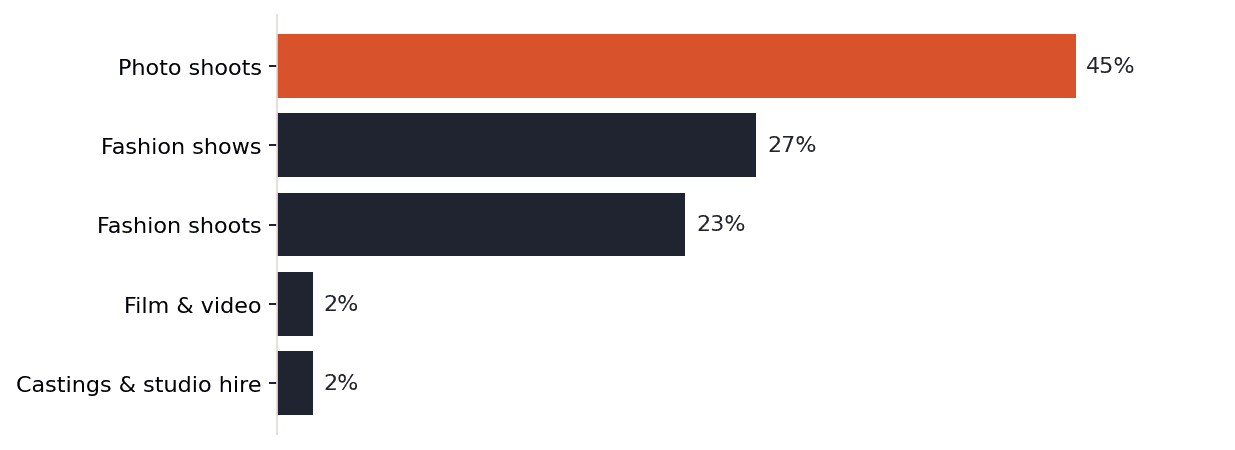
The split runs Photo shoots at 45%, fashion shows at 27%, fashion shoots at 23%, film & video at 2%, and castings & studio hire at 2%. Based on 50,000+ requests processed through Eventflare (till June 2026).
Read the mix as a brief for the room. With fashion driving so much of the demand, spaces here compete on runway potential, backstage capacity and dressing rooms as much as light.
Where the studios are
Eventflare lists 64 photo and film spaces across Milan, and the supply favours the design districts.
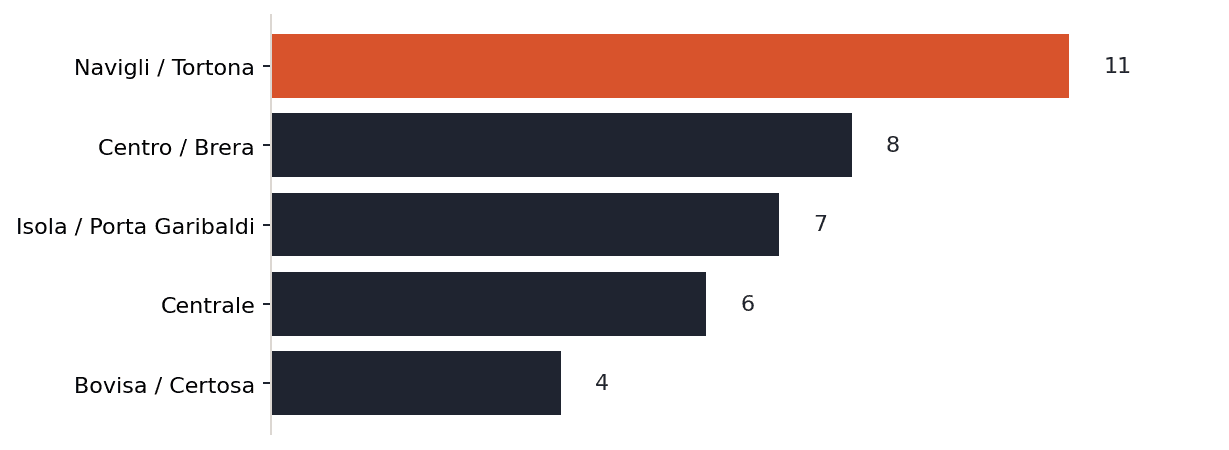
- Navigli and Tortona. The canal and design districts, the densest studio cluster and the heart of fashion-week production.
- Centro and Brera. The historic core and the art quarter, period rooms where the address is the styling.
- Isola and Porta Garibaldi. The vertical-forest district, contemporary lofts with a skyline.
- Centrale. Around the central station, convenient for out-of-town crews.
- Bovisa and Certosa. The northern industrial belt, raw volume for the large show.
Scale is there when the shoot grows: 40 of the 64 spaces hold more than 100 people, 23 take over 200, and 8 handle more than 500, which is what makes the large fashion and film productions possible inside the city. Central Milan tends to sell character and punish logistics, while the outer districts sell space and access, so decide which one your shoot needs before you shortlist.
What a Milan studio costs
Milan prices differently from most of the cities we track. Only 18 of the 64 spaces publish a rate, so with most quoting per enquiry, capacity is the more reliable way to read the supply than price. Among the priced rooms the median sits at €562 an hour, which tells you the rated spaces skew premium.
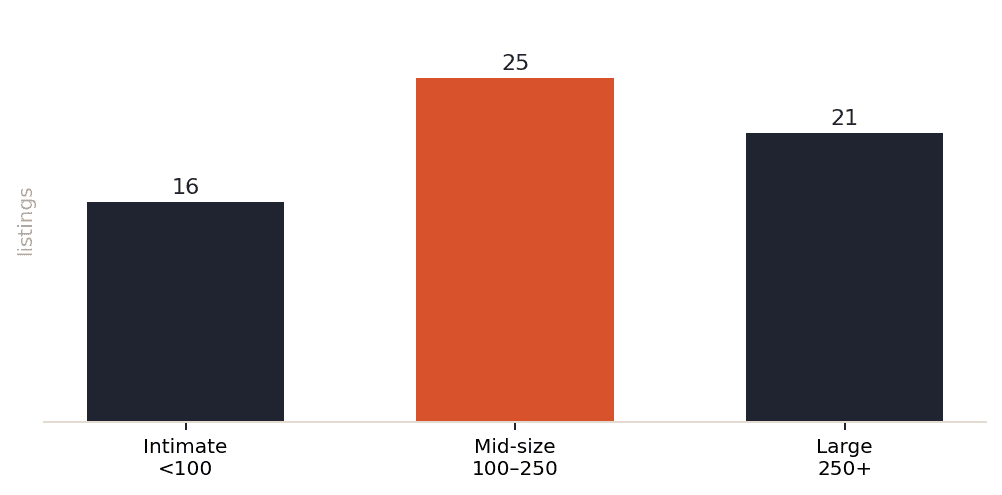
| Tier | Capacity | What you get | Example |
|---|---|---|---|
| Intimate | Under 100 | Design rooms and lofts for a small crew. | Historical Theatre in a 12th-Century Building |
| Mid-size | 100 to 250 | Lofts and halls with room to light and move. | Chic Glass-Fronted Venue With a Minimalistic Look at €625 an hour |
| Large | 250 and up | Industrial halls and grand rooms for the big production. | Expansive Industrial Hall |
The bands cover venue hire only; equipment, crew and catering sit on top. Because most rooms quote per enquiry, treat any published rate as indicative and always ask for a full-day price. And the capacity band, not the mood board, sets which rooms you can even consider, so start from the crew and the kit.
What productions actually pay
Listed rates are what a studio asks; a shoot day is a different conversation once the crew lands. Read the median hourly rate against how shoots actually book and the picture resolves: most productions buy a half-day block, not a full day, and the rack rate is a ceiling few pay.
Two habits save the budget. First, ask for the block, not the hour, because a four-hour morning at a standard-tier studio lands far below the eight-hour arithmetic the rate card implies. Second, budget the crew, not the room, since staffing is the larger line on a shoot day and the space is often the cheapest part of the production.
Studios the data keeps surfacing
The grand halls
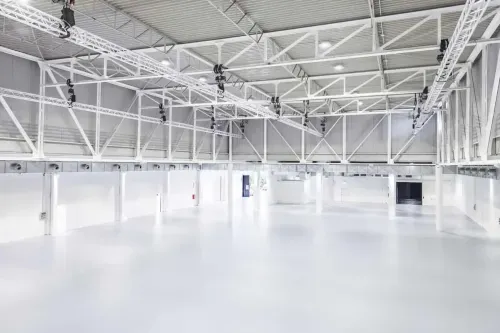
The Expansive Industrial Hall is an industrial studio holding 1500, and it stands out because the worn texture gives an art director a backdrop without a build.
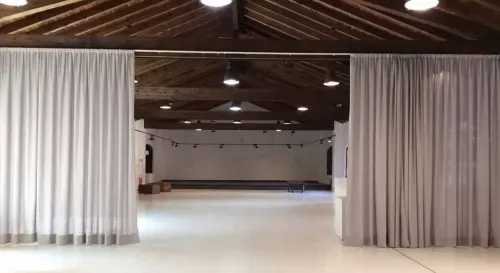
The 19th-Century Architecture With Industrial Elegance, seating 450, works as an industrial studio. It stands out because the raw brick and steel read as deliberate rather than neutral on camera.
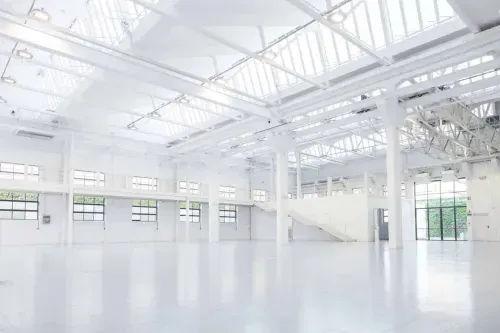
The Radiant White Space With Fantastic Skylights offers a daylight studio, taking 500, and it stands out because the even daylight flatters a shoot without a lighting rig fighting the space.
The design lofts
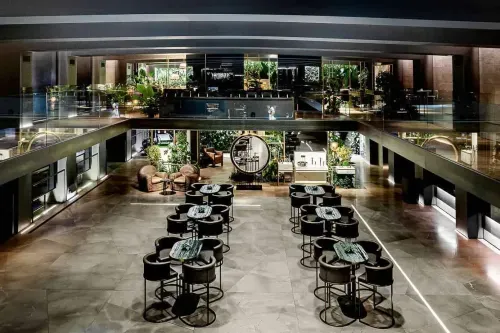
The Urban Luxe Venue With Green Sophistication, with room for 337, is a pre-dressed set. It stands out because the greenery styles the frame before the crew arrives.
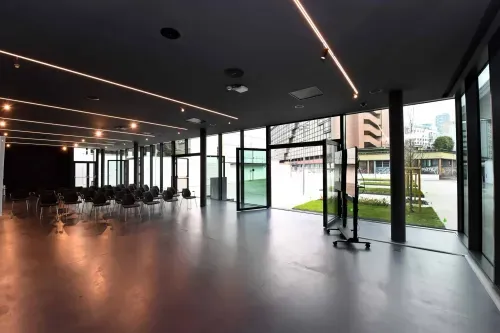
The Chic Glass-Fronted Venue With a Minimalistic Look is a daylight studio holding 180 at €625 an hour, and it stands out because the even daylight flatters a shoot without a lighting rig fighting the space.
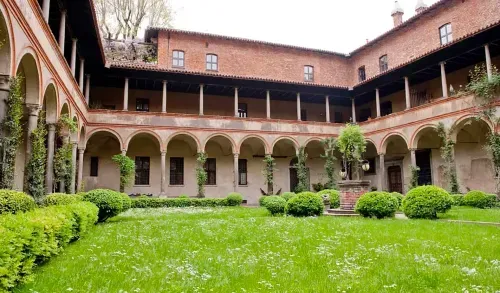
The Charming Historical Space in a Monastery, holding 300, works as a period room. It stands out because the architecture gives a shoot a grandeur no set build can match.
The industrial studios
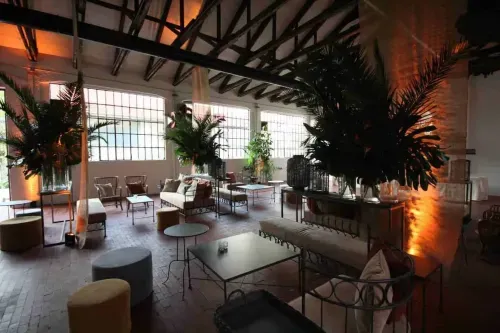
The Industrial Chic Venue With Rustic Flair for Photo Shoots offers an industrial studio, seating 380, and it stands out because the worn texture gives an art director a backdrop without a build.
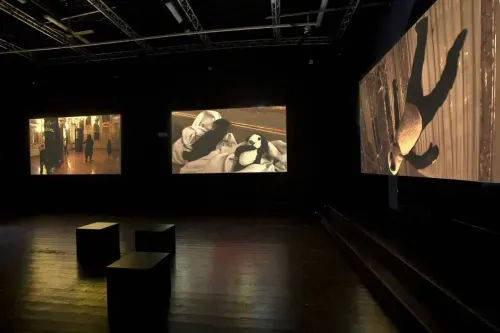
The Historical Theatre in a 12th-Century Building, taking 100, is a period room at €858 an hour. It stands out because the architecture gives a shoot a grandeur no set build can match.
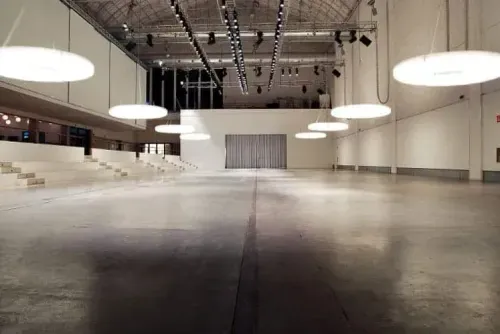
The Modern Blank Canvas With Industrial Aesthetics is an industrial studio holding 600, and it stands out because the worn texture gives an art director a backdrop without a build.
Booking around the Milan calendar
The calendar bends around the fashion weeks. February leads by a wide margin and September follows, the two Milan Fashion Week windows, with January and March adding the campaign run either side. Book the Navigli and Brera studios as far ahead of those windows as the date allows, because studios, crews and equipment tighten together across the city.
The brief that saves a day rate
Three technical points settle most Milan studio negotiations. Load-in: confirm street-level doors or a lift before you fall for a space, because older buildings are hostile to freight. Power and blackout: motion work needs both verified, not assumed. And both-format intent: tell the studio up front if you are shooting stills and video, because sound treatment and neighbour policies differ, and finding out mid-shoot is expensive.
Start from the full collection, book against the busy season rather than into it, match the tier to your crew rather than your mood board, and lock the technical rider before the deposit.


Related articles
 Milan Brainstorming Venues, Costs and Trends for 2026
Milan trains as hard as it brainstorms. Training days match brainstorming sessions at 17% of the city's creative-session
 Milan's Afterwork Scene Runs on Networking, Not Drinks in 2026
The Milan afterwork is a working evening in disguise, and the data confirms it. Across the more than 50,000 requests
 A Look Into Milan's Meeting Market in 2026
Milan hires meeting rooms to be seen in. Across the more than 50,000 requests processed through Eventflare, client
 Milan's Conference Market Runs the Most Commercial Mix We Track in 2026
Milan is where the conference meets the runway. Italy's business capital runs the most commercially charged event mix
 Hidden Historic Spaces Lead Milan's Outdoor Event Scene in 2026
Milan's outdoor market is small, central and built on heritage courtyards. Based on 50,000+ requests processed through
 Milan Is Europe's Most Premium Event Market in 2026
Milan is the most premium event market Eventflare tracks in continental Europe. The city lists 209 published venues,
 5 Quirky and Unusual Event Venues in Milan
Milan may be famous as Italy's capital of fashion, design, and innovation, but it's also a city brimming with character
 Top 5 Warehouse Event Spaces in Milan
Milan is unapologetically stylish, a city where every corner pulsates with design, daring, and the quiet confidence of
 Top 5 Small Party Venues in Milan
In Milan, intimacy is an art form. The city may be known for its scale—its fashion runways, towering architecture, and
 Milan’s 5 Most Unexpected and Alternative Event Venues
Forget stuffy ballrooms and predictable conference centres. Milan, the fashion capital of Italy, pulsates with a
 Milan’s Most Inspiring Group Workspaces
At the heart of Italy, Milan is emerging as a vibrant epicentre of creativity, where tradition dances harmoniously with
 Milan's Auditoriums Near Historic Treasures
Surrounded by Milan's storied streets and historic landmarks are its exquisite auditoriums, each a testament to the
Get access to the event industry's inside scoop